
Your property construction team uses various roofing materials that serve two purposes: they protect the building structure, and they adapt to different weather conditions through their unique performance capabilities. The roof structure depends on all its components to create dedicated effects because the roof needs to handle continuous rainfall, strong winds, and heavy snowfall conditions. Building material selection holds crucial importance for Surrey construction projects because the region experiences both changing temperature patterns and ongoing moisture conditions. The weathering process, which affects asphalt shingles and metal, cedar, and slate materials, will provide homeowners with information that helps them select better materials that will safeguard their properties from costly maintenance needs.
1. Asphalt Shingles: The Popular All-Rounder
North American customers select asphalt roofing shingles because the product delivers them an economical roofing option that protects their homes. The installation of roofing systems should be prohibited in locations that experience both intense thunderstorm conditions
The installation costs of Class 4 impact-resistant asphalt shingles will exceed those of other roofing materials because they provide enhanced storm protection. typical weather patterns. The various roofing material grades display different performance characteristics, which lead to distinct performance outcomes.
Wind Tolerance
The common three-tab asphalt shingles provide wind protection that extends to 60 mph winds. The dimensional architectural roofing system provides protection up to 80 mph wind speeds during comparable weather conditions.
Hail Protection
Standard asphalt shingles are likely to be damaged (or bruised) if hailstones equal to or larger than 1 inch fall on them, resulting in the removal of granules and the creation of holes from which water can enter. Class 4 impact-resistant asphalt shingles have a higher cost but are designed to withstand the drop of a steel ball (2 inches) without showing signs of cracking.
Heat and UV
The sun exposure causes asphalt shingles to lose their granules, which start to curl from the roof surface. The lifespan of asphalt shingles in hot sunny areas decreases to 12 to 15 years because their normal lifespan is 20 to 25 years. Light colored asphalt shingles or cool roof products help to reduce the amount of heat absorbed.
Ice and Water
Asphalt roof shingles will work well as long as there is good attic ventilation and there are no ice dams. However, since dark roof shingles absorb more heat, the melting and freezing process will occur more quickly on the eaves (the edge of the roof), and ice dams will form. In colder climates, rubberized ice and water shield underlayment is a must.
Ideal for
Moderate-to-cold/windy climate where applying either architectural or impact-resistant grades of roofing material is common.
2. Metal Roofing: The Extreme Weather Champion
In areas like Vancouver, Delta, and Surrey, the surrounding areas, metal roofing is very popular and widely used. Metal roofing systems, which use steel, aluminum, copper, and zinc materials, have developed a strong reputation for withstanding all forms of natural disasters when proper installation techniques are used.
Metal Roofs and Wind:
When installed with the right fastening methods using hidden or visible fasteners, metal roofs can handle winds of 120-160 mph. However, standing seam metal roofs, which fasten together without exposed fasteners, are one of the best types of roofing systems to use in hurricane zones. The majority of metal roofing systems have achieved a minimum of a Class 5 wind rating. (Highest wind rating available.)
Snow and Ice:
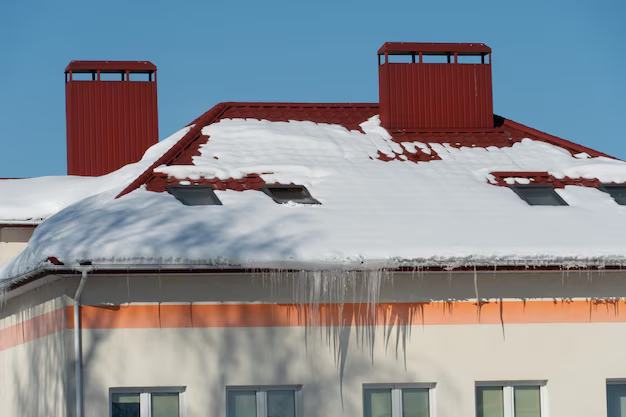
Metal roofs demonstrate excellent performance when snow and ice accumulate in cold weather conditions. The smooth metal roofs with their low-friction surface enable snow to slide off, which creates only a little possibility of ice damming and structural damage to the building. The sliding action of snow off a roof could cause potential hazards if not properly controlled; therefore, install snow guards or snow fences to protect over doorways and walkways. The absence of water retention by metal materials leads to zero risks for both rotting and mold growth.
Heat and UV:
Metal is great at reflecting sunlight rays (solar radiation), as opposed to absorbing them. Metal (bare metal or painted dark) becomes very hot. Factory-applied cool-pigment coatings on metal roofing are designed to reflect as much as possible (up to 70%) of solar heat. This helps reduce energy costs (cooling bills) for building owners. Roofs made out of metal will last from 40 to 70 years, even while in the presence of intense sun and UV rays, because metal does not break down from UV radiation as asphalt does.
Ideal for
high-wind areas; heavily snow-covered areas; areas exposed to fires, as it does not burn, and in extremely hot climates where a reflective surface exists.
3. Wood Shingles and Shakes: Natural Beauty with Trade-Offs
Cedar, redwood, and seasoned pine shingles create a traditional rustic appearance, but they lead to various weather-related problems.
Resistance level against strong winds:
Wood shakes can endure wind speeds reaching 100 miles per hour, which results in them receiving a strong wind resistance rating. The wood material will undergo splintering and bowing and lose structural integrity after it experiences prolonged exposure to outdoor elements.
High impact resistance:
The impact resistance of wooden shingles (small to medium hail) is very good; the wood absorbs a large amount of impact force and does not crack or dent like asphalt or tile. However, larger hailstones (≥ 2 inches) can cause splitting in wooden shakes.
Snow and ice conditions:
Wooden roofs located in freeze/thaw climates experience continuous moisture buildup because wood materials absorb water from their surrounding environment. The moisture that becomes absorbed into wooden roof shingles will expand when frozen, which results in multiple types of damage that include splitting, cupping, and rotting.
Wooden roofing products used in snow-covered locations will require both high levels of roof ventilation and a good pitch (slope) to ensure that they shed snow as quickly as possible. The wooden roof systems will reach their end because they depend on ongoing maintenance work to keep their protective sealant intact.
Heat and UV rays
It causes the lignin in wood to break down, resulting in a gray and faded look and surface checking (small cracks on the wood). Wood becomes brittle from heat and dry climates and has a much lower fire resistance, except for wood that has undergone fire-retardant treatment, which will lose its effectiveness through time.
Ideal for
Use in areas with moderate to dry, low-fire-hazard regions such as the Pacific Northwest. The system fails to handle areas that experience extreme snowfall, hail, and high moisture levels.
4. Clay and Concrete Tile: Heavy-Duty but Brittle
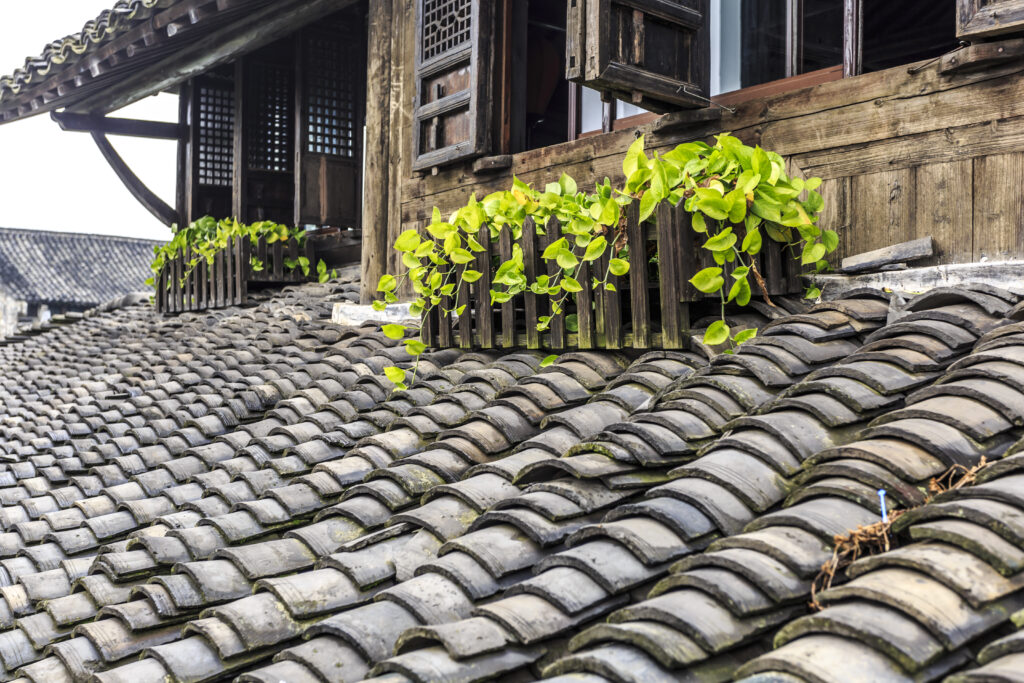
Tile roofs act as traditional roofing systems in warm, sunny areas but face challenges when they experience cold weather and stormy conditions.
Wind Resistance:
The proper installation method for heavy concrete or clay roofing tiles requires work on tiles that have a weight range between 600 pounds and 1200 pounds per square, which enables roofing systems to withstand winds that exceed 120 mph and reach 150 mph, which equals 193 to 241 kilometers per hour. The National Roofing Contractors Association recommends special screws or clips for tile installation in hurricane-prone areas, which should replace standard nail usage.
Hail Resistance:
The main disadvantage of tile materials comes from their susceptibility to damage from hailstones. Concrete tiles exhibit greater strength than clay tiles, but both materials display brittle characteristics. Hailstones with sizes between 1 inch and 12 inches (25 mm to 300 mm) will damage both tile types by creating roof leaks through their impact. The market offers impact-resistant concrete tiles, which belong to both Class 3 and Class 4 categories, but their availability remains limited due to high costs. The process of matching broken tile pieces for replacement becomes difficult because the original materials have faded.
Snow and Ice:
Since tile absorbs very little moisture, freeze and thaw cycles are not as damaging to tile as to wood products. However, the weight of the tile plus the wet weight of the snow may exceed the structural limits of the roof system (most attics require additional structural support). In addition, the snow may slide violently off the tile roof like sliding off a metal building. Ice dams are much less common with tile because of the cooler surface of the tile; however, melting snow can refreeze along the eaves.
Heat and UV:
These are the areas where tile excels, as it provides a superior surface covering. Clay tile and light-colored concrete tile surfaces are effective in reflecting UV rays and heat from the sun, and keep attics cooler.
Best for:
Hot, dry, or sunny sites (Mediterranean, desert, or tropical). Types that could be ideal for large
Snow volumes in the winter or heavy hail might require alternative roofing systems.
Suggestions for house owners:
Homeowners should first consult their building codes, which establish mandatory roofing materials that must be used during severe weather events, including tornadoes and major storms.
- The installation process requires an experienced installer because improper methods will lead to material failure for all available market products.
- Homeowners who intend to install tile or slate as roofing materials need to strengthen their roof structure.
- Homeowners should spend money on high-quality underlayment, which must include an ice-and-water shield for cold climates and synthetic felt for all other areas.
- As a homeowner, you should budget your expenses throughout the entire duration because cheaper materials that require two replacements will become more expensive than permanent materials, which need only one installation.
What Makes Anytime Roofing a Perfect Choice for You?
Anytime Roofing delivers fast emergency service while using their extensive experience with freezing and thawing temperatures, hail, and gusty winds, which affect their local area. They conduct inspections with complete transparency while providing customers with real information about necessary repairs and product installation services that meet manufacturer standards. The process consists of two parts, which follow established methods without any time constraints.
The complete process consists of thorough cleanup work, effective communication methods, and warranty systems that safeguard your financial commitment. The company provides dependable roofing services in Delta and other areas that protect homes from the elements, from initial contact through the final inspection.