
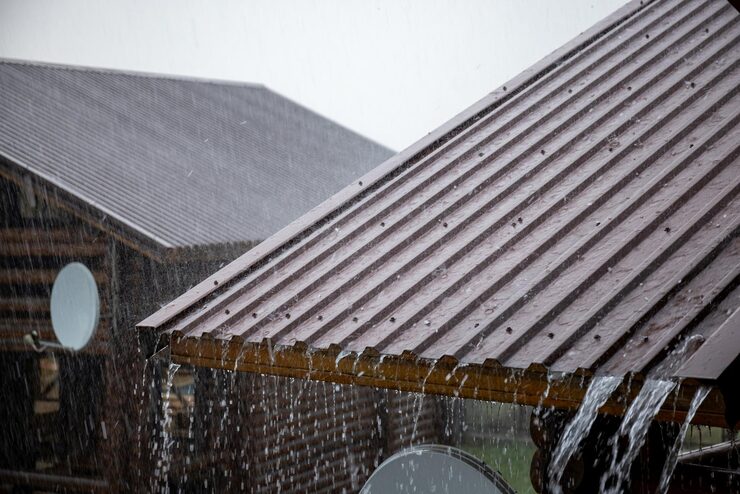
The rainy season preparation process requires homeowners in Surrey to carry out essential roof maintenance work, which ranks as their most crucial task. The roof functions as the primary defense mechanism, which protects your home from dangerous outdoor elements. The Canadian weather system creates unpredictable yet severe weather conditions, which make the “out of sight, out of mind” belief system dangerous for people who live there.
The temporary problems that are here right now need to get sorted out, because they can lead to big disasters, and then you get structural destruction plus high-cost emergency repairs once heavy rain starts. This guide gives a pretty thorough, step-by-step method to make sure your roof stays watertight, resilient, and ready for whatever season throws at you, kinda like it can handle it.
1. Have a thorough visual inspection
The first thing that you need to do before an emergency is evaluate the condition of your home. This involves checking it thoroughly, depending on the height to which you want to climb. For example, if you use a pair of binoculars, then standing in the street outside your home can reveal issues within the property.
Check for Damaged Shingles
The inspection requires you to search for roofing shingles that show two specific signs of damage. The damaged areas create obvious pathways through which water can enter the building.
Granule Loss
Checking your gutters for that sand-like sediment is a pretty decent hint of an older roof, sort of, yeah. If the roof is really losing granules, then that tells you the roofing system is close to the end of its useful life, and the asphalt is getting hit directly by UV rays plus rain-type wear and tear.
Sagging Areas
Any observed roofline dips or sagging sections lead to two possible outcomes, which include structural damage assessment and examination of rotted decking resulting from prior water damage. The situation demands urgent help from industry experts.
2. Clean and Clear the Gutter System
Your gutters with downspouts work as a system to move more than 1,000 gallons of water away from your foundation. It really keeps things under control until the whole thing becomes blocked by leaves, twigs, or other debris, then it starts to fail. Once water has nowhere to go it backs up, and it will find its way under the shingles to cause damage to the fascia boards.
Remove Debris:
The organic matter must be removed from the area by using either a trowel or gloved hands.
Flush with Water:
The garden hose must be used to run water through the gutters because this method tests whether water moves freely to the downspouts. The process also enables us to find tiny leaks that occur at the gutter joints.
Check Downspout Direction:
The downspouts must be installed to extend three to five feet from the foundation of your home to protect against basement flooding.
3. Inspect Flashing and Sealants
“Flashing” refers to the thin metal strips installed around “interruptions” in your roof, which include chimneys and vents, skylights, and valleys. These areas represent the most frequent locations where roof leaks start to occur.
Look for gaps
Materials experience expansion and contraction through temperature changes, which create gaps between the roof and its flashing after a period of time.
Examine Sealants
The caulking needs assessment in all areas that connect to vents and pipes. The sealant needs removal when it shows signs of cracking through brittleness and peeling, which requires replacement with superior roofing cement or silicone.
Rust and Corrosion
Your metal flashing needs replacement when it has developed complete rust-through because this condition prevents it from maintaining its waterproof seal.
4. Trim Overhanging Tree Branches
The combination of tree shade and tree beauty creates an aesthetic appeal, but also creates a dangerous roofing hazard during storms.
Prevent Physical Damage:
High winds cause heavy branches to break, which then crash through your roofing material.
Discourage Pests:
Squirrels and raccoons, plus insects, use branches that function as bridges to reach your roof, where they can access your building through vents and shingles, which they will chew to create shelter from rain.
5. Check the attic for “hidden” Warnings
The most effective method for detecting roof problems requires viewing the roof from the house’s interior. You should inspect your attic during a sunny day or when light rain falls to search for initial warning indicators.
Light Penetration:
When you observe “pinpricks” of daylight entering through the roof boards, then water will definitely find its way into the building.
Water Stains:
Inspect the roof deck’s bottom surface and the rafter system for dark streaks and water spots.
Musty Odors:
In the attic, however, the musty odor is noticeable because it is possible that moisture has managed to make its way inside despite no visible dripping. Thus, indeed, the appropriate layout of ventilation must remain the primary tool for avoiding the accumulation of moisture.
6. Secure Shingles and Tiles
Violent gales will often be stronger before heavy rains come down. The turbulent drafts that try to wrinkle up your shingles in this system are called wind-driven rains.
Nail Down Loose Shingles:
All shingle installations must follow the manufacturer’s fastening requirements for complete installation security
Apply Adhesive:
The application of roofing adhesive in small quantities under shingle tabs provides additional protection for areas that experience high wind conditions.
7. Assess the Age of Your Roof
Every roofing material has a kind of shelf life. Most standard asphalt shingles usually last 15 to 25 years, while metal panels or slate can hang around much longer. If your roof is getting close to the end of its expected lifespan, the so-called “preparation” might have to involve more than just a quick patch or small fix, you know. Putting money into a full replacement before the rainy season starts can spare you the headache and stress of an emergency change in the middle of a storm, and it often keeps costs lower, too.
The Importance of Professional Maintenance
While a lot of these tasks can be taken care of by a proactive homeowner, nothing really replaces the sharp perspective of a professional roofer. A professional inspection, more like a careful look-over, involves:
Walking the Roof Safely:
Roofers usually have the gear and the kind of training to climb onto a steep roof slope without too much trouble, at least more than most people. They put in place specialized fall-arrest systems, wear shoes with real traction, and lean on sturdy, heavy-duty ladders so they can make their way along awkward inclines that would feel downright terrifying for a normal homeowner trying it on their own, especially during early-season prep, or when the whole place is kind of wet out there.
Identifying sub-surface concerns:
They might notice those “soft spots” in the decking that you can’t quite see from the ground. By using professional pressure across the surface, they go on to spot structural deterioration or weakened plywood early on, so the buried base is still solid enough to carry the heavy water all winter, even when it looks fine at first.
Ensuring warranty compliance:
A lot of roofing warranties ask for periodic professional upkeep to keep them valid, so if you don’t have proof of regular inspections done by licensed contractors, manufacturers can deny claims when there is a material failure. That means your documented check-ups are a very real fiscal backstop for your long-term investment, and for your home’s overall defence and market worth
What Makes Anytime Roofing The Best Choice For Roof Inspection And Installation
At Anytime Roofing, we kind of mix local know-how with a steady dedication to the building’s structural integrity so your home stays protected against the toughest elements out there. Our factory-certified crew handles precision installations with high-performance materials, and everything is supported by a ten-year promise on workmanship.
Anytime Roofing delivers the best roofing solutions in Surrey, Vancouver, Delta, and other locations. We start with thorough inspections, then move through careful site cleanups, too, and we keep it clear and straightforward along the way. Honestly, that’s why we’re the most trusted partner for resilient, long-lasting roof solutions that don’t just look good, they actually hold up.