
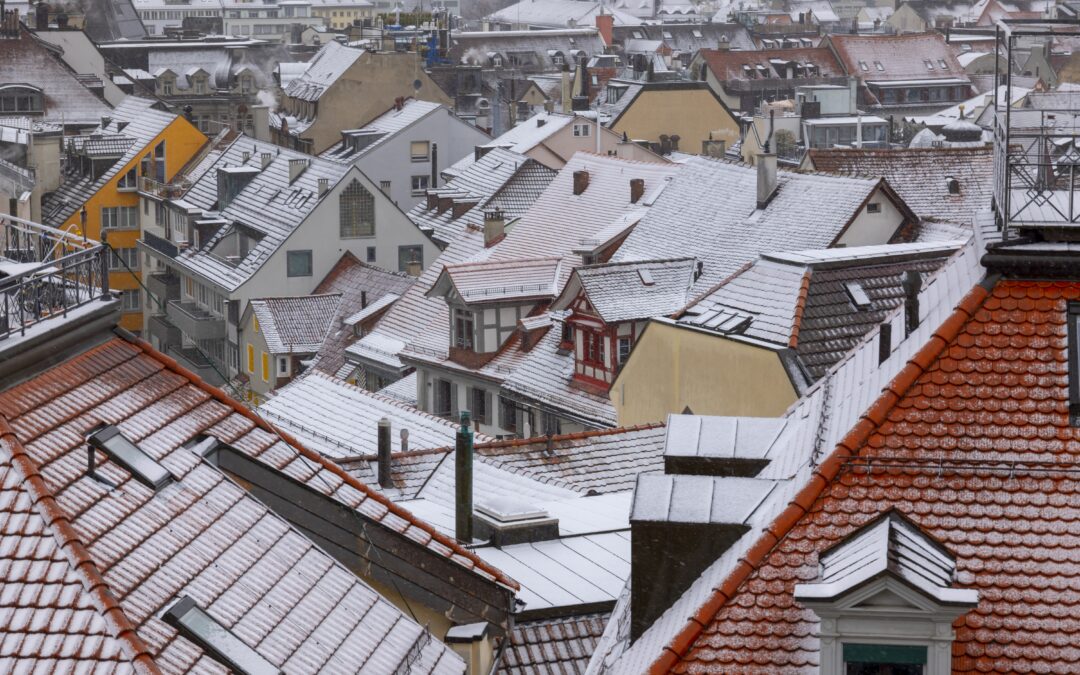
The roof maintains its permanent, strong design because it constantly changes due to environmental conditions. The seasonal changes in areas like Surrey and other neighboring cities create new problems that stem from temperature changes, moisture, wind, and sunlight that progressively damage both the roofing materials and building structure. The incorrect management of seasonal effects will decrease a roof’s lifespan over the years.
The essential requirement for roof damage prevention, repair cost reduction, and long-term performance maintenance is an understanding of how seasonal changes affect roof functions.
The Science Behind Seasonal Roof Damage
The roofing systems experience continuous changes because they expand and contract while they take in water and face various weather conditions. Thermal movement stands as the primary reason that causes seasonal damage to materials.
Roofing materials undergo expansion during high-temperature periods, and they experience contraction during low-temperature periods. The current temperature cycle results in material degradation and fastener loosening because it creates small openings that allow water to enter.
The initial changes start as invisible modifications, but the seasonal cycles that follow will gradually create cracks, leaks, and structural damage.
Winter: Ice, Snow, and Structural Stress
Winter poses the toughest challenge to roofing systems; however, this problem is mainly felt in Mission, Delta, Richmond, and other locations where there are very low temperatures. This comes about as a result of the presence of snow coupled with very low temperatures.
Key Winter Impacts
1. Snow Load Pressure
The roof experiences heavy snow buildup, which results in a substantial weight increase. This condition reaches its most severe point when the building starts to experience roof sagging and complete structural collapse.
2. Ice Dams Formation
As the heat escapes from the house, there is melting of the snow sitting on top of the roof. Freezing of water at the edge leads to the formation of ice dams. These lead to drainage issues where water starts accumulating under the shingles, leading to leaks.
3. Freeze-Thaw Cycles
The process of freezing followed by thawing causes roofing materials to go through expansion and contraction, which occurs repeatedly. The process creates wider cracks because it weakens their seals over time.
Spring: Moisture, Mold, and Hidden Damage
Spring brings a lot of destruction from winter. When snow melts as the rainstorms increase and the level of humidity rises, it is the perfect breeding ground for the development of moisture problems.
Common Spring Problems
1. Roof Leaks and Water Stains
When the snow around leaks into the house because of the melt, the house begins to see unwelcome leaks in several areas.
2. Mold and Mildew Growth
Mold requires wet conditions that lack sufficient airflow to develop its perfect growing environment.
3 Problems relating to gutters and drains
Winter debris accumulates in the gutters, which causes blockages preventing proper water drainage while also causing water to sit on the roof due to no drainage from the roof to the ground below.
4. Damaged Shingles and Flashing
The freeze/thaw cycling causes the shingles to crack or lift off the roof, resulting in the roof becoming at risk for further damage.
Why Spring Maintenance Matters’
Spring is the ideal time to inspect your roofing system (to find and repair problems before severe storm season starts) and find any minor roofing issues before they become major, expensive roofing issues. Taking this as a chance to carry out some roofing maintenance work as well.
Summer: Prolonged exposure to heat, ultraviolet light, and thermal strain
Everyone views summer as having a lower risk level than what would be found during winter months, since summer months are typically not considered to constitute an issue related to winter weather risks. Prolonged hot weather can create a huge amount of pressure on almost all types of roofing materials.
Key Summer Effects
1. UV Damage
Roofing materials sustain damage because they undergo permanent drying from continuous sunlight exposure, which causes their protective granules to break off and their structure to develop cracks.
2. Be prepared for cold/shivering.
Visitors to an area with severe weather may encounter sub-freezing temperatures for entire days.
3. Thermal Expansion
During the day, materials expand due to heat; during nighttime hours, they contract. This thermal expansion process contributes to the potential for materials to develop cracks or distort surfaces and create weak seams.
4. Problems With Ventilation
When it gets cold enough outside, asphalt thermoplastic shingles become much more fragile and are more likely to have cracks due to the increased likelihood of cracking that arises from their increased amount of thermal expansion

Fall: Preparation Season with Hidden Risks
Fall functions as a seasonal bridge that connects two different seasonal periods, but its main purpose is to help roofs prepare for the upcoming winter season. The time period enables small issues to progress into more serious conditions that remain undetected during the entire duration of the time period.
Fall-Related Concerns
1. Debris Accumulation
Due to accumulated leaves and other forms of clutter, water can’t flow through your pipes.
2. Water Retention
In case the leaves and debris fall upon the gutter and block themselves one upon another, then the gutter becomes blocked and doesn’t allow the rain to pass below it.
3. Early Changes in Weather
Changes in temperature happen once again, beginning the process of expanding and contracting.
Fall Maintenance: The Importance
One must maintain a roof when winter sets in. This will help to prevent roof damage under the mountain of snow and resultant freezing temperatures.
The Hidden Impact of Wind and Storms
The roof performance of buildings experiences substantial damage from thunderstorms, which can occur throughout all twelve months of the year.
Which Roof Type is right for your location?
Different roofing materials show different responses to seasonal weather changes. The roof system selection process requires knowledge of material performance differences between roofing systems.
Asphalt shingles
- Become soft in hot weather and brittle when cold
- Are vulnerable to ultraviolet light damage and cracking
Metal roof
- Exhibits great expansion and contraction tendencies
- Should be installed properly to avoid gaps
Roofing tiles & slate
- Durable in high temperatures
- Prone to cracks at low temperatures
Depending on weather changes, each material is strong and weak, making the selection and installation an essential responsibility.
The extended effects of seasonal damage to structures
The individual effects of seasonal changes appear minor, yet their combined impact on the environment causes major environmental changes.
What Happens Over Time?
- Micro-cracks develop into major leaks.
- Structural components weaken
- Insulation efficiency decreases
- Roof lifespan shortens dramatically
You need to complete proper maintenance work after you understand seasonal effects on your operations.
Essential Roof Care Tips
1. Regular Inspections
The roof needs inspections, which occur two times every year in spring and fall because those seasons provide the best conditions for inspection work.
2. Gutter cleaning & drainage care
you need to ensure that gutters are well-cleaned and dust-free.
3. Improve Ventilation and Insulation
Airflow prevents overheating and ice dams.
4. Repair Things Immediately
Smaller problems can become bigger when neglected.
5. Select Durable Building Materials
Choose the best building materials based on climate conditions.
Significance of Seasonal Awareness
Looking at the increase in extreme weather events throughout the last decade, and how unpredictable climate patterns are now, understanding your seasons has become critical for ensuring a durable roof.
The home protection system offers two major benefits because it safeguards the building from damage while it provides savings through reduced maintenance expenses and enhanced energy performance.
Why Anytime Roofing may be a top choice when installing your new roof
With many years of practical knowledge anytime roofing putting up roofs around the community, our professionals will give you the opportunity to achieve the best quality not only in terms of constructing your new roof system but also to fit your own personal requirements, making it last longer.
High-Quality Workmanship and Quality Material
We install a roof that is made up of materials that are very durable and can withstand any kind of weather situation, together with the skills of our highly professional artisans.
Individually Designed Roofing Solutions
Our Vancouver experts are engineered to meet your requirements for building type, style, and environment, making us an excellent choice for a layout that provides both function and visual beauty.
Timely and Reliable Service
The team completes projects according to scheduled timeframes while maintaining open contact and delivering steady work quality throughout the entire project.
Summary
Seasonal changes bring three main effects, which lead to decreased roof durability because of temperature variations, moisture levels, and changing weather patterns. The process of winter ice and summer heat brings about continuous destruction, which occurs throughout the entire year. The combination of routine inspections with fast repair work and correct material usage enables roof systems to reach their maximum operational lifespan.
The expert installation and maintenance services that professionals provide ensure buildings will operate efficiently while their structural components remain intact and future repair expenses stay low.