
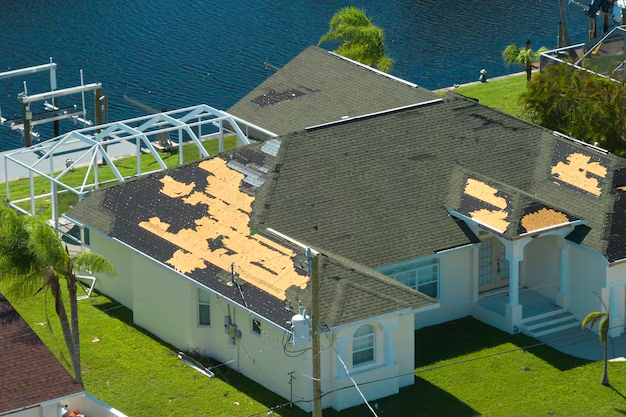
The roof serves as the most critical protection element, which separates your residence from all outdoor environments. The roof system must withstand multiple weather conditions because your location receives all these elements during specific seasons. All roofs will require maintenance because of their exposure to persistent weather conditions, which continue to damage their structure.
Homeowners in Vancouver make a mistake because they procrastinate when they identify a small problem, which includes a missing shingle and a small ceiling stain. The small leak requires expensive work, while the current budget constraints and time limitations prevent us from fixing the problem. They believe they can postpone the work because they think it does not require urgent attention.
The building will experience major destruction because you failed to perform vital roof maintenance tasks. A minor budget-friendly issue transforms into a complete financial disaster that depletes all available funds. The following explanation shows how damage spreads through different stages, which create safety problems and financial impacts as time continues to work against any roof that has suffered damage.
The Domino Effect: From a Tiny Leak to Structural Failure
Most roof problems start very small. A single cracked shingle, a small tear in flashing, and a tiny gap around a vent pipe create enough damage to lead to roof problems. The rainwater molecules continue to move through the environment. They will find that gap.
Stage 1: The Concealed Entry
Water starts infiltrating the underlayment. It is at this stage that the inside of your house is entirely out of sight for you. The water gets absorbed between the roof deck and the insulation layers. You can detect a damp smell, but it goes unnoticed by you. At this stage, there is the greatest amount of deception, as all issues are concealed from your eyes.
Stage 2: Decay of the Roof Deck
The wood sheets used to create the roof deck are not waterproof. The material starts swelling when it gets soaked and continues to decay. The leakage point turns into a sponge-like roof deck over a few months. The roofer is required to change the whole wooden roof deck since it will be impossible to repair the shingles beyond a certain point.
Stage 3: Damage to Internal Components
The second phase sees water travel through the rafters and trusses following deck decay, which is then followed by wood deterioration and mold colonization. The structural integrity of your roof framework becomes weakened, such that a load of snow may eventually result in roof collapse.
Stage 4: Interior Destruction
The roof problem at your home will lead to water leaks that will damage your indoor spaces because water will flow through your insulation and then create leaks that reach your living space through your ceilings. Your current situation requires you to repair your roof and fix water damage that affected your ceiling, walls, and flooring, which includes carpeting and hardwood, as well as all your interior items.
When you find a wet spot on your ceiling, extensive damage will already be underway for several months within the structure.
The Health Hazards You Cannot See
Home roof repair delays create structural dangers, which also endanger the health of everyone who resides in the house.
Mold and Mildew
Mold establishes itself through moisture, which becomes confined within an attic space and ceiling space. The specific mold species Stachybotrys chartarum produces black mold that contains both allergens and irritants. Mold spores trigger asthma attacks, together with chronic coughing, skin rashes, and severe respiratory infections in individuals. The particular group of infants, elderly people plus immunocompromised individuals experience higher health risks.
Animals and Insects:
A leaky roof makes it possible for raccoons, squirrels, rats, birds, and insects to gain access to the attic because they can either eat into the weak areas on your roof or get into your home using openings created due to damage in the flashing. The animals would enter your attic through the entry point. They would construct their nests in your attic space while they destroyed your electrical wires as they used your attic as their latrine.
Unfit Indoor Air Quality:
You could smell the mold if you actually saw it; thus, you would know that there is a biological growth in your attic. The HVAC system draws air from the attic and then distributes it into the house. If one delays repairing the roof, the air in the attic will continue moving from room to room with the help of the HVAC system.
The Escalating Financial Cost
Homeowners choose to postpone their home repairs because they believe that it will help them save money in the present time. The most costly financial error that people make is to postpone their roof repairs, according to current research. The actual costs will be explained through a detailed numerical analysis, which we will present.
Small Repairs (Immediate repairs):
The application of a few more shingles, as well as fixing leaks around the vent area, can cost between $300 and $800.
Minor Repairs (3 to 6 Months After Damage)
Roof sheathing will start to deteriorate, causing replacement of the plywood sections, underlayment and shingles.
Major repair (after 6 to 12 months):
Water has damaged rafters, insulation, and interior ceilings. The project requires structural wood replacement together with the mold remediation process, drywall repair work, and repainting activities.
Full roof replacement (after 12+ months):
The entire roof assembly is compromised. The roof sustained damage that reached such an extent that it required complete replacement.
The $400 repair, which remained unattended for one year, transformed into a $15,000 insurance claim expense, which had to be paid from personal funds.
Insurance Complications: Will Your Policy Pay?
Homeowners believe that their home insurance policies protect them against all roof damage. This is not always true, especially when repairs are delayed.
Maintenance vs. Sudden Damage
Most standard home insurance policies cover “sudden and accidental” damage, which includes events like tree limbs falling through roofs during storms. The policy does not extend coverage to damages that result from insufficient upkeep or natural deterioration over time or from ordinary usage. The insurance company will reject your claim if the adjuster discovers that you knew about the leak for six months and failed to take action.
Evidence of Neglect
The insurance company is not a charitable organization. They have their own set of criteria when assessing claims made by customers. The insurance company will dispatch an adjuster to evaluate your water damage claim after you submit your request for compensation. The investigator will examine mold growth and dry rot damage on wooden surfaces, together with stain patterns that indicate past water leaks, to find evidence of active water leaks.
Fewer Benefits
In the case that the initial damage is covered (such as the blowing off of your roof), you may find yourself facing fewer benefits for secondary damage caused by your delay, such as mold, decay, and even finishing.
Seasonal Dangers: Why Winter and Spring Are Risky
Postponing repairs significantly increases the danger as time goes by, depending on when you schedule your repair.
Winter
Delaying a winter repair can put you at risk for ice dams. The warm air leaking out of the unsealed area above your living space will melt the snow off your roof and create a dam of ice by running down to the cold area of your house's roof and re-freezing there. The water will back up behind the ice dam and then flow through your roof to flood the attic area. In the worst case, the weight of the snow and ice sitting on top of a rotted roof deck has caused a partial collapse.
Spring
The season of spring marks increased rainfall and quick melting snow. Minor roof water damage may quickly escalate into waterfalls. With warm air combined with humidity, it is the ideal season for mold growth.
Summer
The lightning storms experienced during summer will turn a small issue with your roof into a major one. The high winds are able to pull up any weak shingles, exposing underlays to very heavy rains that come down in very little time.
Fall
The fall season sees leaves accumulating in valleys and near flashings, which keeps moisture near damaged areas. The freeze and thaw process occurring during the hot days and freezing night temperatures during the fall season quickens the process of disintegration.
Loss of Energy Efficiency and Increased Utility Costs
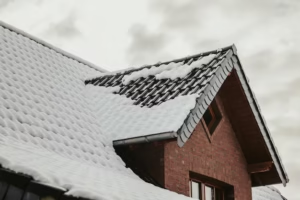
The damaged roof sections do not create complete air seals, which occur through standard building materials. Air conditioning systems operate for extended periods during summer months because water leaks into the building through the same points that allow cooled air to escape from the system. The heating systems must work more because warm air escapes from the building while cold air enters during the winter months.
When homeowners wait to repair their damaged roof, their total cost of heating and cooling utility bills may increase up to 10%-25% without realizing the source is due to their roof's compromised condition. An infrared thermal scan performed on a residential structure with a damaged roof, the presence of heat loss can clearly be seen within the damaged area.
Why Anytime Roofing is a perfect choice for your roof repair
Your roofing system needs protection, which requires you to choose a reliable roofing contractor who has extensive experience in the industry. Anytime Roofing has received multiple awards because their professional services deliver high-quality work through the use of premium materials, which provide continuous service to extend roofing durability and protect building security throughout extended periods.
Surrey’s Most Reliable Roof Repair Company
Anytime Roofing is a Surrey-based roofing company that has worked with various types of roofs before. The workers possess multiple abilities that enable them to complete minor repairs and full roof installations and maintenance work for all roofing systems. The workers use their knowledge of different roofing materials to determine roofing problems, which they solve with permanent solutions.
Roofing Made To Last
At Anytime Roofing, they ensure that only high-quality, durable materials are used in their repairs. When quality materials are used along with experienced craftsmanship, the repairs done by them are strong enough to endure harsh weather. Harsh weather conditions include heavy rain, high winds, and drastic temperature changes.
Accurate Inspection And Leak Detection
Complete inspections help find problems before they become worse. At Anytime Roofing, we make use of correct leak detection technology that ensures the root cause of your damage is fixed instead of being a temporary fix, as this will assist in avoiding expensive repairs and long-lasting structural issues.
Timely maintenance and expert attention ensure that roofing problems are resolved efficiently, which helps to preserve the durability, safety, and long-term performance of the roofing system