
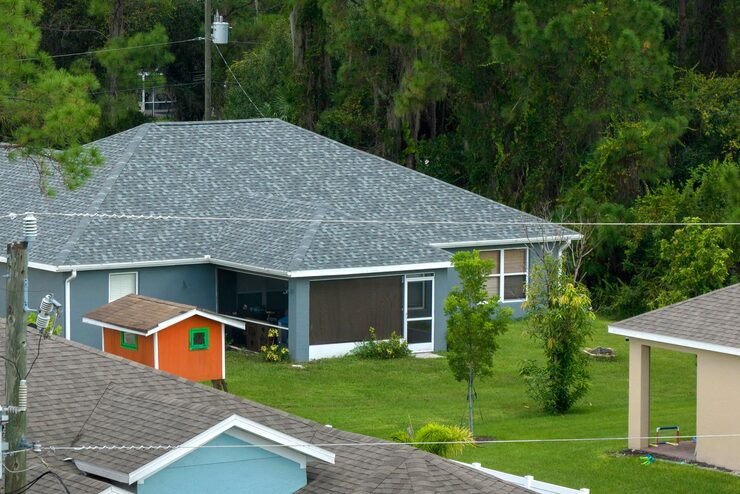
When it comes to the priciest property any person has, basically their house, the roof isn’t something you can just brush off. For people in Delta BC, there’s an environmental factor that makes roofing a bit more complicated than elsewhere. Delta sits between the Fraser River and the Pacific Ocean, so the local weather is tugged around by moisture and salt in the air, plus there’s also the regular threat of windstorms.
In this situation, a standard roof can do just fine for several years, but an exceptionally strong roof tends to run far longer, decades maybe. If you’re planning to replace it or start from scratch, then it really helps to understand all the practical sides of durability.
Below is a list of some key elements that make a roofing system highly resilient to Delta homes.
1. Weather-Resistant Materials
The basis of a sturdy roof largely comes down to the materials you choose. Since Delta’s climate is pretty humid, and it can get stuck in long wet seasons, you really have to pick stuff that is rated clearly for moisture resistance, plus also for wind uplift.
Architectural Asphalt Shingles:
They provide more than just a flat, traditional shingle look. Architectural (or laminate) shingles are made up of several layers of resin-impregnated fibreglass that are laminated together to provide a 3-dimensional look, higher missing shingles, and most importantly, higher wind loads (often 210 km/h). Many premium brands offer algae-resistant granules to help mitigate the growth of black streaks from the humid summers in the Delta.
Metal Roofing:
A standing seam metal roof is one of the best forms of long-lasting durability in coastal BC. Metal roofs will shed water with great speed, are completely resistant to moss, and can last upwards of 50 years (or longer) when installed properly.
Cedar Shakes (treated at present):
Another property of the cedar that makes it an excellent roofing material is the durability due to the oil content in the cedar. In order for these to last long, you have to make sure to carefully choose quality pressure-treated cedar shakes which are both pest and decay-resistant.
2. Multi-Layered Moisture Management
In Delta and Vancouver, the durability of the roof goes beyond its surface; it involves having an effective defence mechanism beneath it. Water management involves a number of levels.
Ice and Water Barriers:
Your roof’s eave sections and valley sections, where roofs join, are especially prone to pooling water and ice dams. In a durable system, these areas will have a self-adhesive, waterproof membrane right against the roof deck surface. Should water find its way behind the shingles, the barrier acts to prevent it from reaching the wooden structure below.
Synthetic Underlayment:
Previously, the use of felt paper was the only option for roofing underlayment material. Current, durable types of roofs utilize synthetic underlay that is strong enough not to rip, is non-absorptive, and provides further waterproofing for the roofing assembly.
3. Precision Flashing in Vulnerable Zones
Rooftops tend to be vulnerable where there is a meeting point of materials, not elsewhere in the roof, owing to the fact that multiple layers of asphalt shingles are installed for the purpose of forming a waterproof membrane. In this regard, the installation of flashings or metallic material becomes crucial for the integrity of the roof.
For the Delta home to withstand strong rainstorms, superior quality materials like galvanized steel and aluminium must be installed professionally in:
Chimneys & Skylights:
Penetrations function as natural barriers for water accumulation and debris deposition on slopes. Strengthening such penetrations involves weaving step-flashing at their sides as well as using a specially designed saddle to divide water movement around the structure.
Roof Valleys:
Valleys act as the main conduits for drainage, receiving huge amounts of water that flow through at tremendous speeds due to converging slopes. Valleys can be lined with galvanized steel sheets that are attached to the self-adhesive lining.
Dormers & Wall Abutments:
In cases where the vertical wall joins the roof at an angle, wind-driven rain may push the water horizontally between the siding and the wall. The water can be effectively pushed away from the wall by using the L-shaped step flashing in each layer of shingles.
The proper counter-flashing and stepping of this metal prevents the water from penetrating and flowing into the structure.
4. Advanced Roof Ventilation and Thermal Control
The roof system is a dynamic porous system that ‘breathes’. Most people do not know that the internal components can deteriorate the roof just as much as the weather. As Delta has a humid oceanic climate, the attic must be properly ventilated.
During the winter, moisture in the form of warm air will migrate from your home to the attic. If no ventilation system exists in the attic, that warm and moist air will condense on the underside of the roof deck, resulting in the wood rotting, the roofing deck warping, and the development of mould, thus severely reducing the life of the shingles. In the summer, an unvented attic will create oven-like conditions that cause heat to build up and cook your shingles from below, which could blister or crack them.
The ideal roofing system creates harmony between the following:
Intake Vents (Soffit Vents): Introduction of fresh and cold air at the bottom portion of the attic.
Exhaust Vents (Ridge Vents): That ventilation of humid and blazing air, coming from the very top portion of the roof
This airflow helps stop moisture from building up on the deck, so it supports the correct maturation of the shingles
5. Seamless Heavy-Duty Drainage System Integration
The longevity of a roof depends on how well it can drain rainwater. In places that receive yearly average amounts of precipitation, like the Delta area, new gutter and downspout systems must be integrated with a premium roofing system.
If a gutter is undersized, water will flow back under the exterior roof edge, which will result in rotting of the fascia boards as well as reduce the effectiveness of the eave protection system. Strong roofing systems include:
- Extra-wide, continuous gutters are used in designs to soak up problems caused by heavy rainfall.
- Drip edge is an external, flat metal strip fastened down on both sides of the roof deck to channel rain from the roof into the gutters instead of allowing it to run off into the wood.
Protect Your Home with Anytime Roofing
Investment in a roof designed to stand the test of time would give you peace of mind. As long as the roof is built using high-quality materials, waterproofing, and ventilation are not ignored, then your home will be safe from water intrusion over many years.
At Anytime Roofing, we know how to design roofing systems that have been specifically developed for use in Delta and Vancouver. Be it a general roof inspection, an isolated repair job, or the full replacement of a roof system, we can provide your home with the high-quality workmanship it deserves. Our products are of superior quality and durable, and we are equipped with qualified personnel who know all the building codes in the area.
Protect your home from the next harsh coastal storms – get in touch with Anytime Roofing today!